

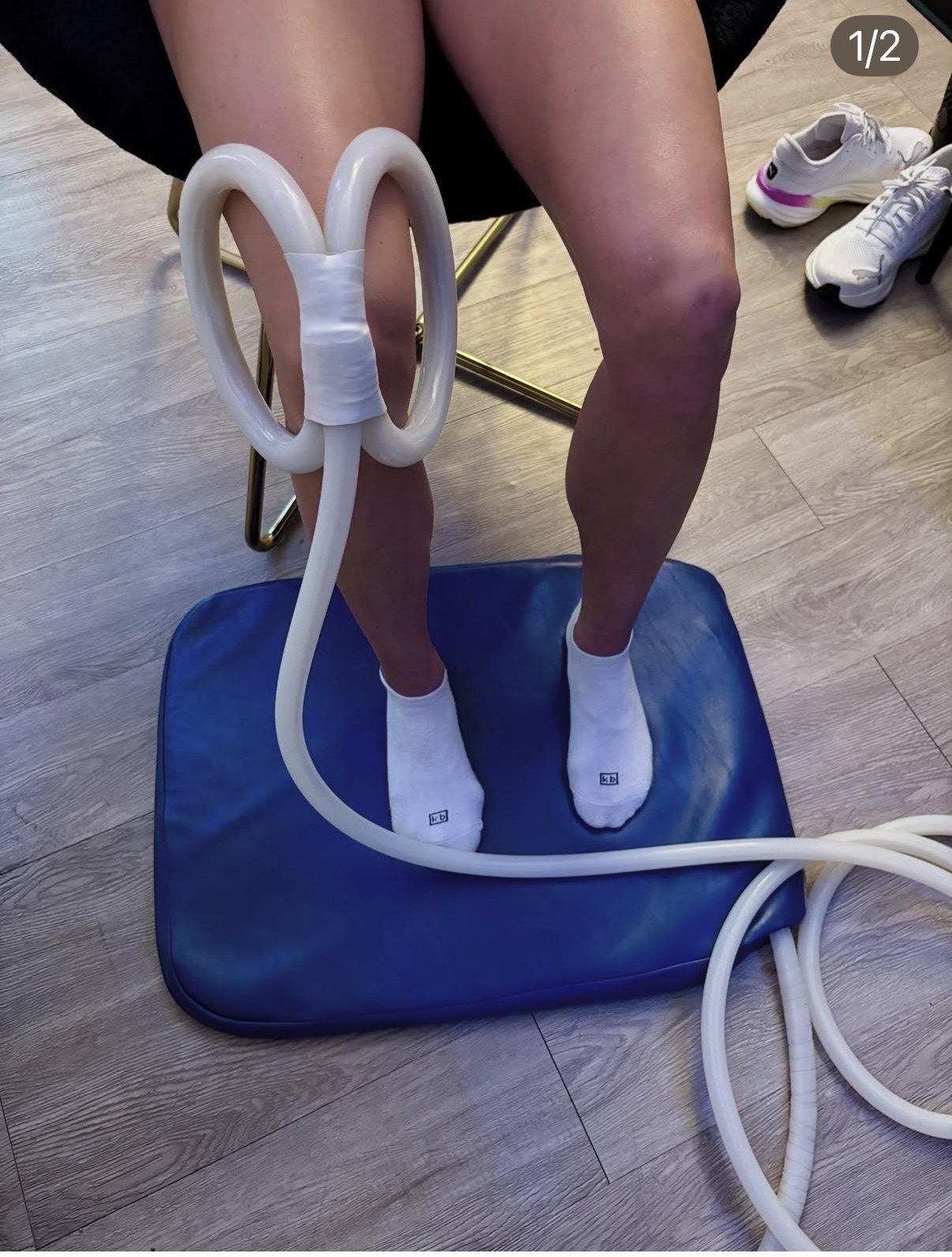

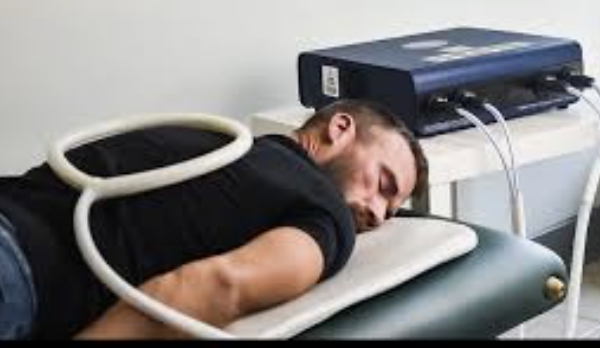


Below is a brief list of scientifically researched and supported treatments of PEMF therapy.
PEMF
Pulse Electronic Magnetic Frequency
With further commitment for Performance Optimization, I am no able to provide evidence-informed recovery technologies that help support your body's natural healing process. That's why we're excited to offer MagnaWave® Pulsed Electromagnetic Field (PEMF) Therapy—a gentle, non-invasive wellness treatment designed to promote cellular function, circulation, and recovery.
PEMF therapy delivers pulsed electromagnetic energy into the body, helping stimulate normal cellular activity and supporting the body's ability to repair, recover, and perform at its best. Whether you're an endurance athlete training for peak performance, recovering from an injury, managing chronic muscle tension, or simply looking to improve overall wellness, PEMF therapy can be incorporated into a personalized recovery plan.
Using professional-grade MagnaWave® technology, each session is customized to your individual needs and goals. Treatments are comfortable, relaxing, and require no downtime, making them an excellent complement to physical therapy, chiropractic care, massage therapy, strength training, or other wellness services.
PEMF therapy is intended to support wellness and recovery and is not intended to diagnose, treat, cure, or prevent any disease. Individual results may vary.

My Personal Experience with PEMF Therapy
As both a lifelong endurance athlete and coach, I've spent years managing a long list of injuries and chronic conditions—including neuropathy, Morton's neuroma with post-cryo scar tissue, insertional tendinopathy, degenerative knee cartilage, lumbar disc issues, sacral and cervical stenosis, thoracic outlet syndrome, heel spurs, and arthritis in my foot. While physical therapy, strength training, cross-training, massage, and other treatments were all valuable parts of my recovery, the relief often lasted only a few weeks before another issue surfaced.
Everything changed when I discovered PEMF therapy through a local practitioner. After approximately 10–12 sessions, I noticed improvements I hadn't experienced in years. I no longer needed to tape my ankles before running, and the constant sensation of "walking on a rock" beneath my foot had disappeared. Those changes allowed me to train more consistently and recover with greater confidence.
Because of my own experience, I began referring athletes to receive PEMF therapy, and I saw many report positive changes in their own recovery journeys—from stress fractures and IT band irritation to muscle soreness, gut-related concerns, and post-competition recovery. The biggest challenge was finding a practitioner who regularly treated people, as this technology is most commonly used in the equine industry.
That experience inspired me to invest in a professional MagnaWave PEMF system so I could make this therapy available to both myself and the athletes I coach. Whether you're an elite competitor or simply want to move with less discomfort, I believe PEMF is one of the most valuable non-invasive recovery tools I've ever added to my performance and wellness program. It is painless, requires no downtime, and has become an integral part of how I stay healthy, train consistently, and help others perform at their best.
This testimonial reflects my personal experience. Individual results will vary, and PEMF therapy should be used as part of a comprehensive health and recovery plan.
Stress Fractures & Bone Healing
May stimulate bone regeneration and improve healing time
Commonly studied in delayed unions and nonunion fractures
Can support recovery from repetitive impact injuries common in runners
FDA-approved PEMF devices are used for nonunion fracture healing.
Wound Healing & Tissue Repair
Supports circulation and oxygen delivery
May stimulate collagen production and tissue regeneration
Studied in diabetic wounds and chronic ulcers
PEMF has demonstrated effects on wound-healing signaling molecules and inflammation regulation.
GI Issues & Digestive Support
May help support gut motility and circulation
Research suggests possible benefits for inflammation and tissue repair
Often explored for IBS, gastritis, constipation, and inflammatory gut concerns
Emerging studies suggest PEMF may influence gut inflammation, nervous system balance, and microbiome activity.
Athletic Recovery & Performance Support
Helps support recovery between training sessions
May reduce soreness and inflammation
Commonly utilized by endurance athletes and active individuals
PEMF has been studied for recovery, tissue repair, and inflammation modulation in sports medicine settings.
Shin Splints & Overuse Injuries
May help reduce inflammation and pain
Supports tissue recovery and circulation
Often used alongside rehabilitation and mobility work
Research suggests PEMF may help modulate inflammatory pathways and improve soft tissue healing.
Joint Pain & Inflammation
May reduce stiffness and chronic inflammation
Supports cartilage and connective tissue health
Commonly used for arthritis and tendon irritation
Meta-analyses report improvements in pain, function, and inflammation markers.
Detoxification & Cellular Recovery
May improve circulation and lymphatic movement
Supports oxygenation and cellular energy production
Frequently used in wellness and recovery settings
PEMF research suggests benefits involving mitochondrial activity, nitric oxide signaling, and cellular metabolism.
Surgery Recovery
May enhance post-surgical tissue healing
Can support pain reduction and decrease medication dependence
Frequently explored after orthopedic procedures and spinal fusion
Studies show PEMF may improve recovery rates and fusion outcomes following orthopedic surgeries.
Anxiety, Stress & Nervous System Regulation
May support parasympathetic (“rest and digest”) activation
Can promote relaxation and recovery
Frequently used to improve sleep and stress management
Research suggests PEMF may influence autonomic nervous system regulation and inflammatory signaling.
Athletic Recovery & Performance Support
Helps support recovery between training sessions
May reduce soreness and inflammation
Commonly utilized by endurance athletes and active individuals
PEMF has been studied for recovery, tissue repair, and inflammation modulation in sports medicine settings.
PEMF (Pulsed Electromagnetic Field) therapy is generally considered safe and non-invasive for many individuals. However, accredited medical literature and PEMF manufacturers identify several conditions where PEMF should either be avoided or used only under medical supervision.
(If a client has a family member with any of these contradictions they can remain in a separate room while therapy is being administered )
Pacemakers & Implanted Electronic Devices
PEMF may interfere with:
Pacemakers
Defibrillators
Cochlear implants
Neurostimulators
Insulin pumps
Electromagnetic fields can potentially disrupt device function or drain batteries.
Epilepsy & Seizure Disorders
Some experts recommend caution because electromagnetic stimulation could theoretically trigger seizure activity in sensitive individuals.
Other emerging studies suggest certain low-frequency PEMF protocols may potentially reduce seizure activity, making this area controversial and still under investigation.
Individuals with epilepsy should only use PEMF under physician guidance.
Acute Infection, Fever, or Active Illness
Some PEMF guidelines recommend delaying treatment during:
High fever
Acute viral illness
Severe bacterial infection
Active tuberculosis
The concern is that PEMF may stimulate circulation and inflammatory responses during acute illness.
Metal Implants & Magnetic Prosthetics
Most modern titanium implants are generally considered safe.
High-intensity PEMF devices may potentially heat or interact with certain metal implants.
Special caution is recommended with:
Older magnetic implants
Unknown implant materials
Recently placed hardware
Children & Growth Plates
Some PEMF manufacturers advise caution in children whose growth plates have not fully closed.
PEMF can influence bone and cellular activity, though research in pediatric populations remains limited.
Pregnancy
Most PEMF manufacturers and clinicians recommend avoiding PEMF during pregnancy due to limited safety research.
Special caution is advised when treating the abdomen, pelvis, hips, or lower back.
There is currently insufficient clinical evidence confirming PEMF safety during pregnancy.
Active Bleeding or Hemorrhage
PEMF may increase circulation and blood flow.
This could potentially worsen:
Active bleeding
Hemorrhage
Severe bruising
Fresh surgical bleeding
Use caution immediately following surgery or traumatic injury.
Active Cancer or Tumors
PEMF use around active tumors remains controversial.
Some studies investigate PEMF for supportive oncology care, while other clinicians recommend caution due to concerns regarding cellular stimulation and blood flow.
Patients with cancer should consult their oncologist before using PEMF therapy.
Organ Transplant Recipients
Individuals taking immunosuppressive medications after transplant surgery should consult their physician before PEMF use.
Some concerns exist regarding immune-system stimulation.
Severe Cardiac Arrhythmias or Heart Disease
Individuals with unstable heart rhythms or serious cardiac conditions should seek physician clearance before treatment.
High-intensity electromagnetic stimulation may not be appropriate for certain cardiac conditions.